
90s Fashion Guide: Tips to Master the Most Iconic Looks of the Decade


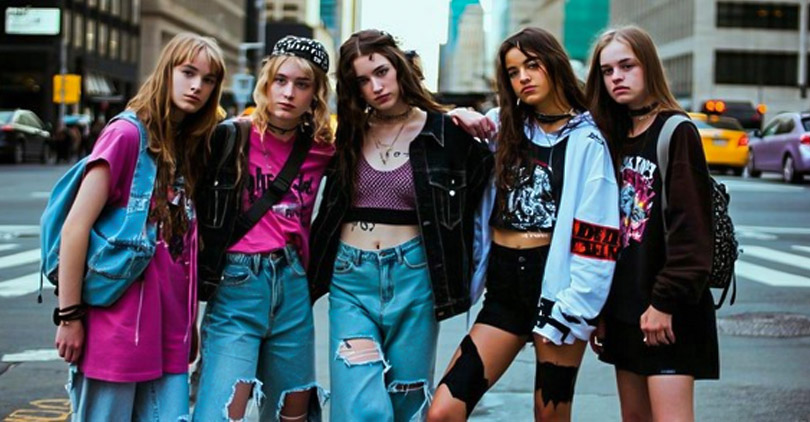
Fashion is no stranger to comebacks. But the 1990s are making an especially stylish return at the moment. Everywhere you look - from TikTok to the catwalk - you'll see people rocking vintage denim, slip dresses, and chokers as if they'd never been out of fashion.
This trend isn't only about nostalgia, though. It's also a chance to relive some of that decade's free-spirited authenticity.
After all, these were years when trends weren't set by rules or royalty, but rather by MTV, models, and musicians. Whether your style was grunge, glam, or minimalist (or all three), there was always an outfit to be found.
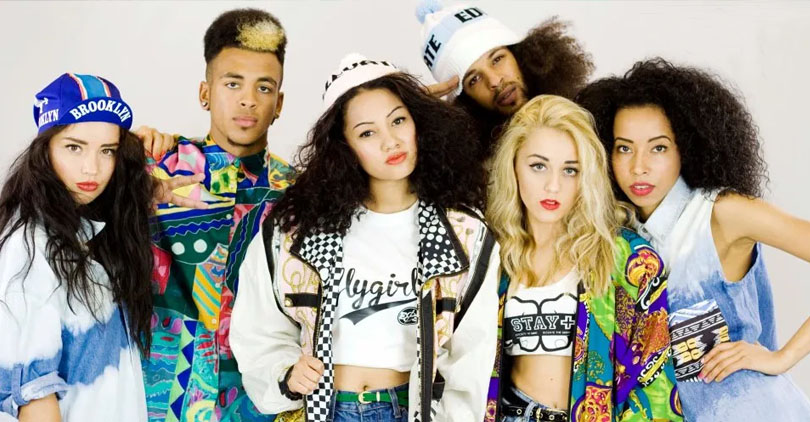
In this special feature, then, we'll explore not just a revival but a sartorial revolution with lasting impact. One that enables fans, both old and new, to wear its most iconic looks with pride today.
The Fashion Revolution of the 1990s
During the 90s, there was a big change in fashion. People started dressing to show who they really were rather than just showing off. Clothes became simpler but more stylish, taking influences from pop culture as well as what was happening on the streets.
From 80s Excess to 90s Realism
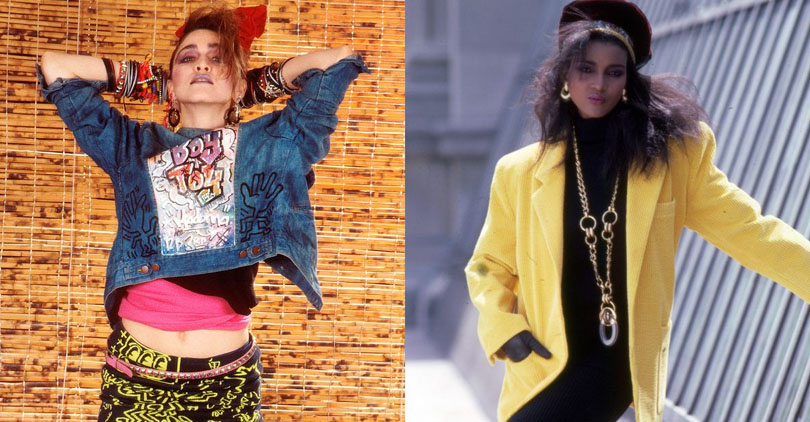
Following the flashy trends of the 1980s, fashion was due for a makeover. In the early '90s, there was a desire for authenticity. Designers such as Helmut Lang and Calvin Klein responded with clean lines and an understated confidence.
This shift wasn't just about aesthetics. A mix of economic factors and cultural exhaustion also came into play. After years of fantasy dress, shoppers wanted garments that acknowledged real life - hence the absence of sequins here.
Instead of neon brights, there was denim. Make-up was minimal, hair was straight, and clothes looked as if they had been worn in rather than specially for the occasion.
The Rise of Pop Culture Influence
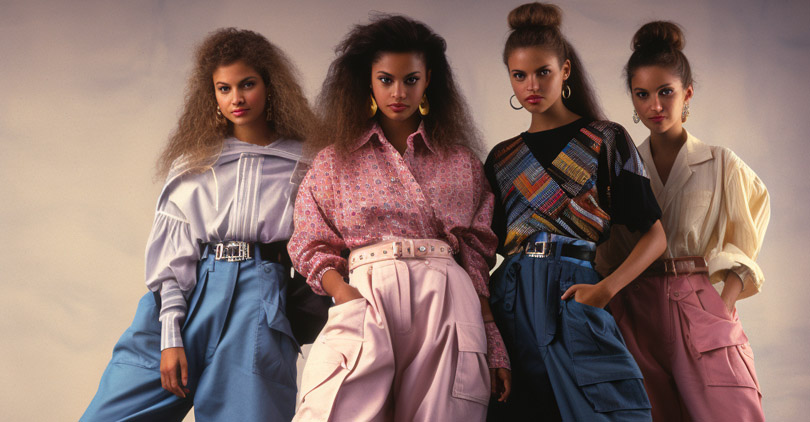
Fashion was no longer the domain of the rich. Instead, it was celebrities and pop culture (especially MTV and films) that set the trends.
The Spice Girls, Madonna, Winona Ryder, and Aaliyah were the new style icons. Their looks didn't come so much from catwalks but from music videos and magazine covers.
Technology and Globalization
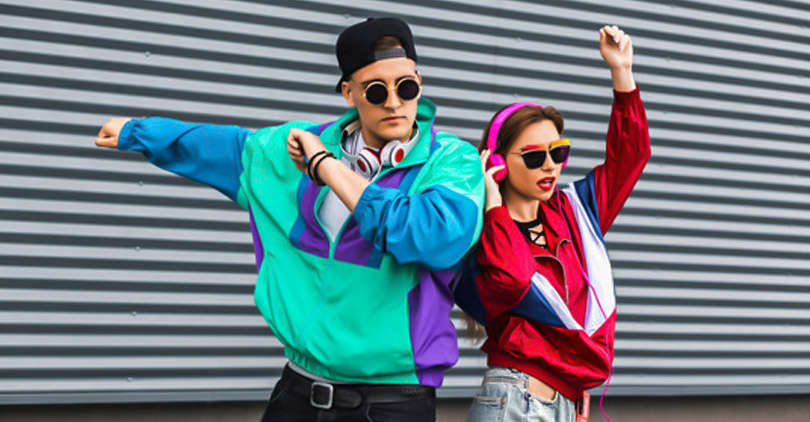
During the 1990s, digital photography became popular, and online magazines were created. The internet also became more widespread.
As a result, fashion was no longer limited to catwalks. People all over the world could take part in trends. For example, American streetwear labels FUBU and Tommy Hilfiger found fans not just in New York City but in Japan’s capital, too.
Democratization of Style
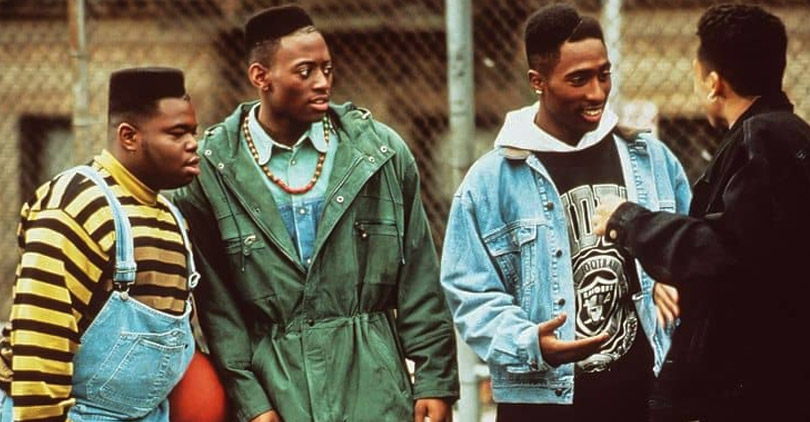
Possibly the biggest change of all: Fashion was open to everyone. You could wear a second-hand shirt with a pair of Prada trousers. It didn’t matter, as long as you made a statement with clothes.
In the 1990s, the distinctions between high and low, formal and street, male and female all started to blur. And fashion became more individual than ever before.
Defining Styles of 90s Fashion
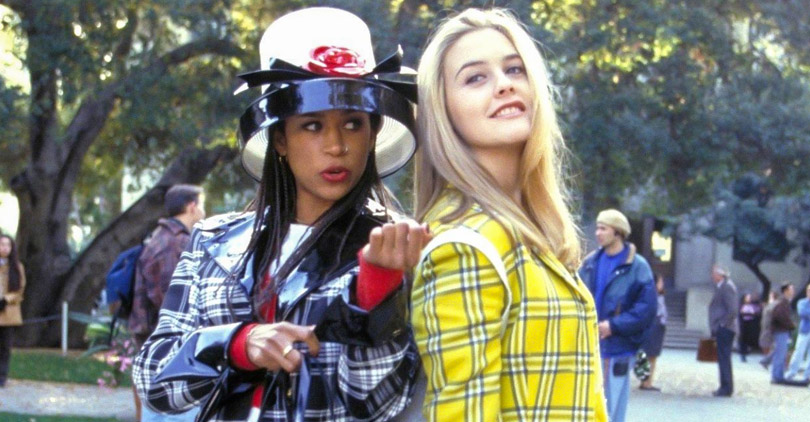
Now, let’s find out some defining styles of that era:
1. The Supermodel Era: Power and Glamour
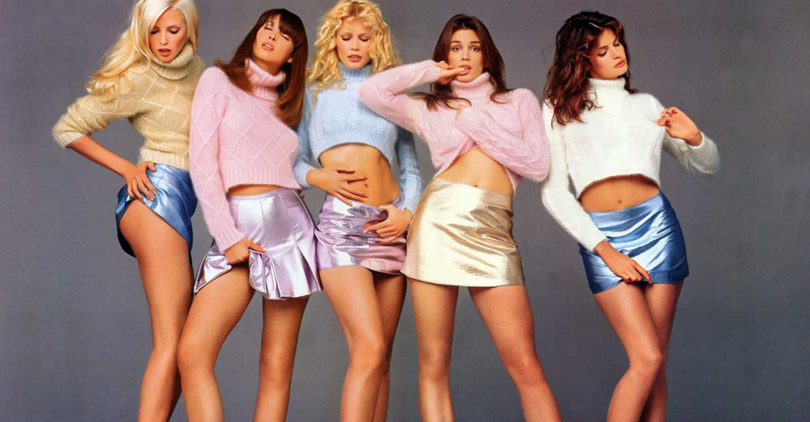
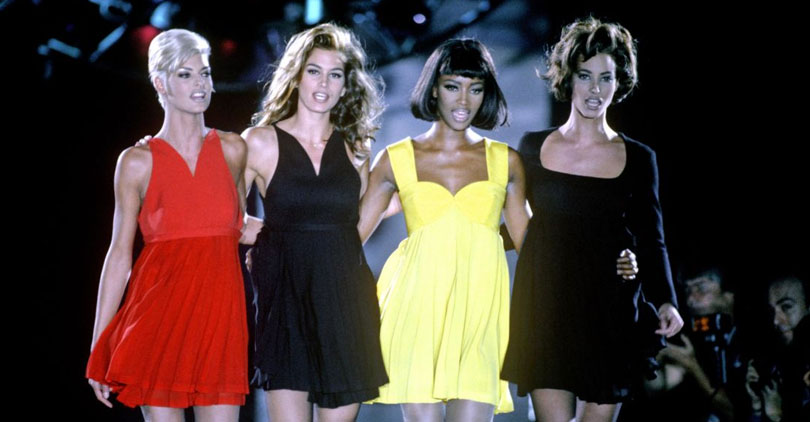
Supermodels owned the early '90s. Everyone knew Naomi Campbell, Cindy Crawford, Linda Evangelista, and Christy Turlington. They weren't just faces. They were famous.
These women had a different attitude. They were strong, glamorous, and didn't say sorry for it. When they walked down the runway in Versace, Chanel, or Gianni Versace clothes, it didn't look like a fashion show: it felt like being inside a music video clip.
Independence and star quality shone through - two things that at that time defined high-end labels.
Today, the way Gigi Hadid and Bella Hadid work both on and off catwalks shows us they've got supermodel genes. Traits from those iconic females whose careers they are following.
2. Grunge: From Seattle to the Runway
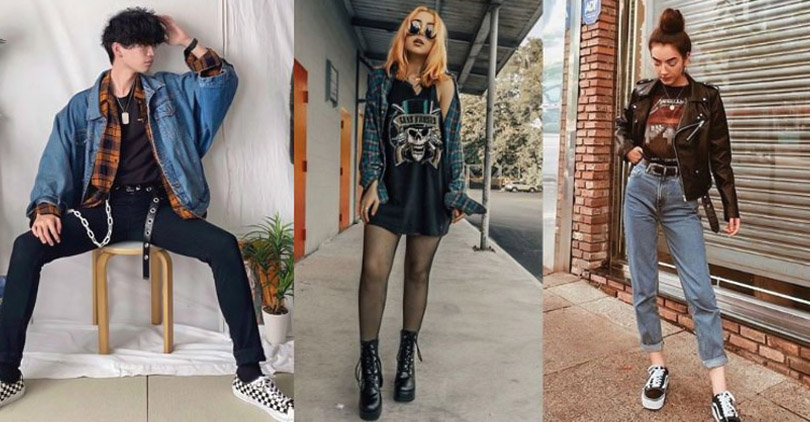
Formed in the city's music underground, grunge wasn't a fashion statement – until it was. Global style icons Kurt Cobain and Courtney Love spun thrift-shop gold into star-making looks. Think flannel shirts, ripped jeans, beat-up band tees, and clompy Doc Martens boots.
It was fashion, but also anti-fashion. An all-too-rare moment when what came down the catwalks and what went out in bin bags looked remarkably similar.
Now grunge is having another moment - albeit with a designer twist. This time round, it's faded denim teamed with silk slip dresses (ideally worn together), chunky boots, and oversized tailoring. Acruffiness has never looked so calculatedly chic.
3. Minimalism: The Beauty of Less
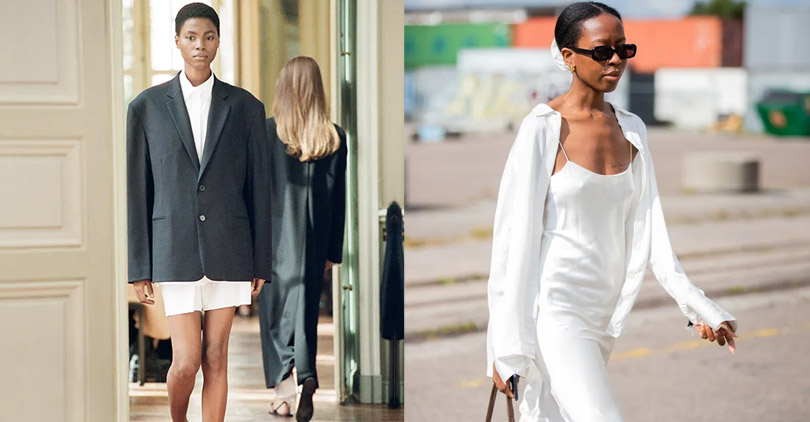
Compared to the disorder of grunge, the 90s were a time of calm precision. Designers such as Calvin Klein, Jil Sander, and Prada exemplified an aesthetic they called "quiet luxury."
This was an era when neutral colors, unadorned cuts, and unfussy outlines held sway. Think of Gwyneth Paltrow and Carolyn Bessette-Kennedy as icons of polished restraint, wearing white shirts, tailored coats, and slip dresses with no extraneous detail.
But minimalism was more than just a look. It was also a philosophy. After the excesses of the 1980s, simple clothes could be the ultimate status symbols too.
4. Feminine Revival: Slip Dresses and Baby Tees
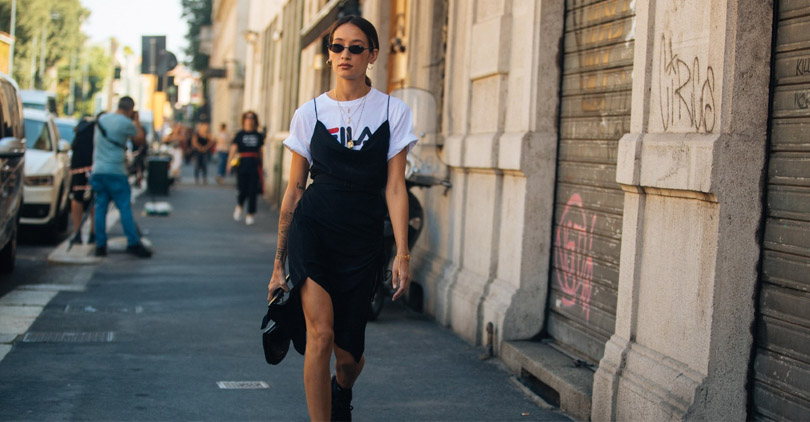
The era of the '90s saw a renaissance in femininity - albeit with a twist. Sensuality had a new image that was modest, cheeky, and self-assured.
Kate Moss turned the silk nightgown into an immediate evergreen. You barely noticed it, but it looked cool.
Britney Spears made cropped T-shirts, hipster jeans, and navel jewelry famous. It was an ensemble worn by teenagers who want to let the world know they're cross!
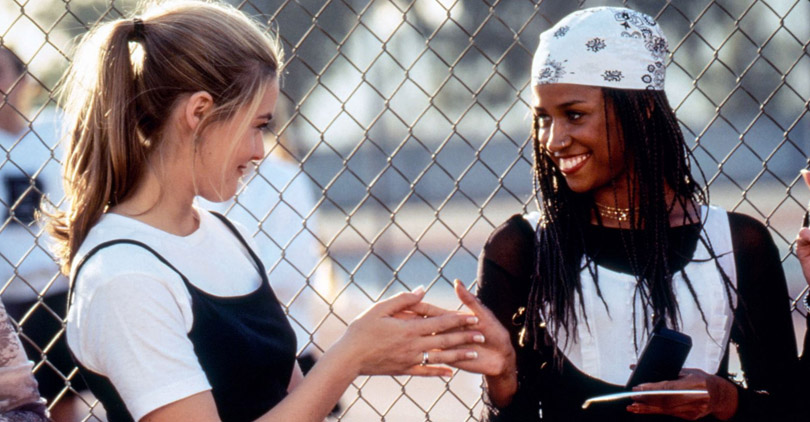
Outfits worn in films also caught our eye: think Cher from Clueless in her kilt or pastel twinset. Or the girls from Romy and Michele's High School Reunion showing how much fun it is to dress like a space cadet.
These were years when young women wore clothes for their own sake – not always to seek approval.
5. Streetwear & Hip-Hop: The Casual Revolution
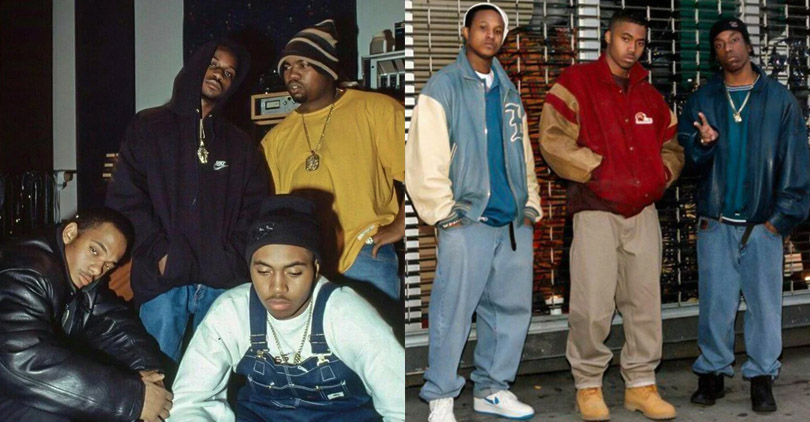
In the 90s, Street style was driven by music. For example, TLC, Aaliyah, and Destiny's Child combined crop tops with baggy jeans - an attitude-laden mix of sportswear.
This wasn't just a fad: streetwear morphed into a cultural powerhouse. FUBU, Karl Kani, and Tommy Hilfiger made clothes that blurred the boundaries between tracksuits and everyday clobber. Big logos and even bigger hoodies were high fashion.
More than mere threads, this stuff said something about who you were (or wanted to be). And it still does. Today's sneaker obsessives? They've inherited part of streetwear's DNA. Ditto fans of luxury labels doing high-priced hoodies: think Off-White or Fear of God.
6. Princess Diana: The Ultimate 90s Icon
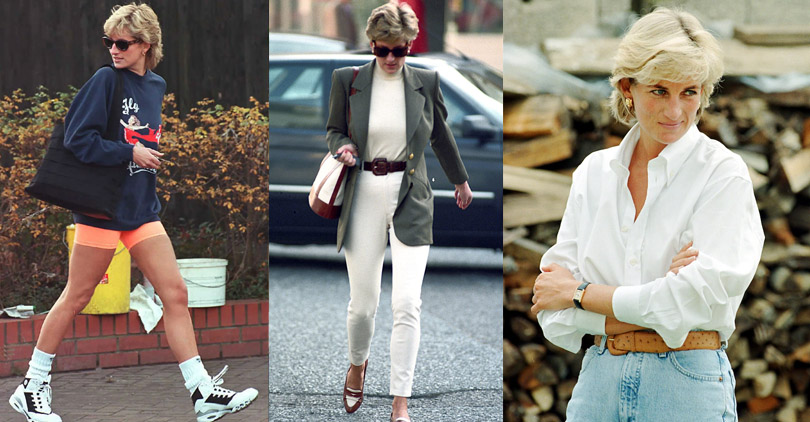
Nobody exemplified change in the 1990s more than Princess Diana. She went from royal stiffness to casual elegance.
The Christina Stambolian off-the-shoulder black dress she wore one evening spawned endless features, becoming a sign of power. On other occasions, she would wear cycle shorts with big sweatshirts – '90s athleisure, a decade early.
Her dressing was genuine, friendly, and easy to copy – though lots of it was pricey. Analysis shows her wardrobe value peaked at an inflation-adjusted £1m in 1997. Designers still look to her for inspiration while styling clothes for princesses and pop stars.
7. Pop Culture Power: TV, Film, and Music
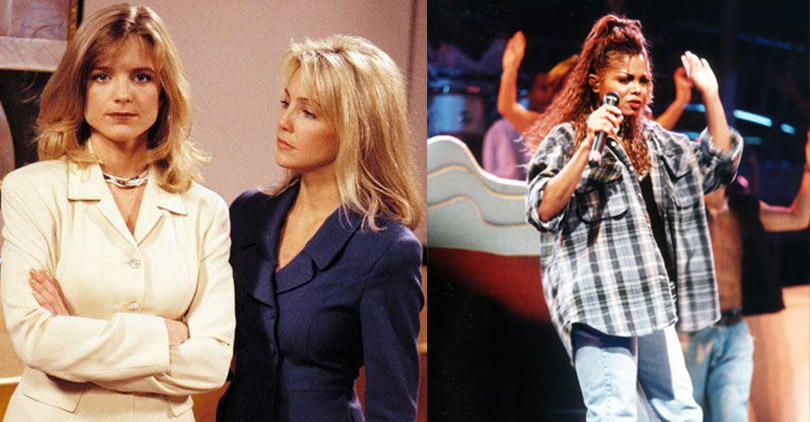
In case you were looking for the quintessential '90s style guide, just queue up its playlist. Rachel Green made casual-smart a mainstream hit on Friends with her denim and fitted vests.
Cher Horowitz had everyone in Clueless lusting for a pastel blazer to pair with their plaid mini-skirt. Punk-meets-glam also had a huge moment thanks to Gwen Stefani. Crop tops and bindis are optional.
And don't even get us started on the Spice Girls. Filas. Crop tops with trackies. Scary's double buns. Sporty's high ponys (which, let's be real, she still rocks).
Fashion felt democratic: whatever your vibe, there was likely someone on screen reflecting it back.
Iconic 90s Fashion Pieces & How to Wear Them Today
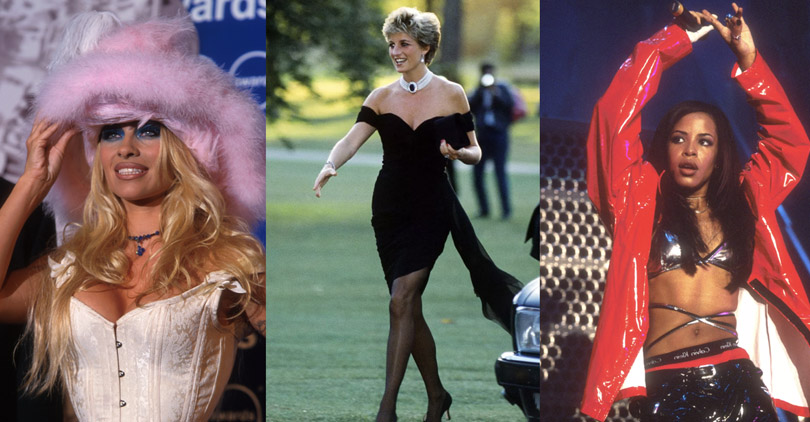
The ’90s brought us timeless fashion favorites that continue to epitomize style. Whether you’re rocking a slip dress or chunky boots, these versatile garments marry yesteryear’s cool with today’s edge.
10 Must-Have Items from the 1990s
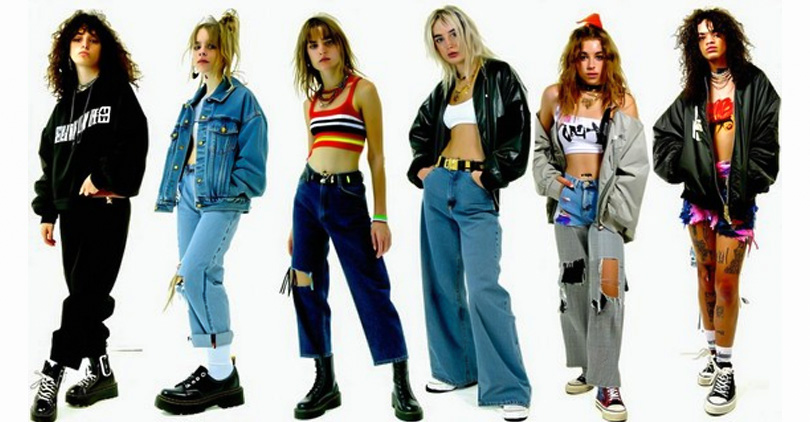
Slip Dress – Simple, sexy, chic. Add a blazer and heels for a stylish twist.
Mom Jeans – High waist, loose fit. Wear with a tight t-shirt to balance the look.
Baby Tee – Short and sweet. Put it under a jean jacket, over a slip dress, or just about anything else!
Choker Necklace – Some things never go out of style. Wear satin or velvet to make it even more vintage.
Flannel Shirt – Wrap around your waist, put over a tank…you get the idea! It's perfect for when you want to add an edge to your outfit.
Doc Martens – They're still the coolest boots around—and unbelievably comfortable too. Wear them with jeans or dresses (or whatever you want).
Plaid Mini Skirt – Like schoolgirl meets streetwear: This skirt says you're both sweet and tough. Want even more confidence? Add boots that go up to your knees!
The Mini Backpack – It is a practical accessory that has made a strong comeback.
Platform Shoes – They are both bold and playful, letting you unleash your inner Spice Girl.
Baguette Bag – When it comes to compact luxury, it doesn't get much better than the Baguette Bag. Fendi's original design is still iconic after all these years.
How to Style 90s Fashion Now
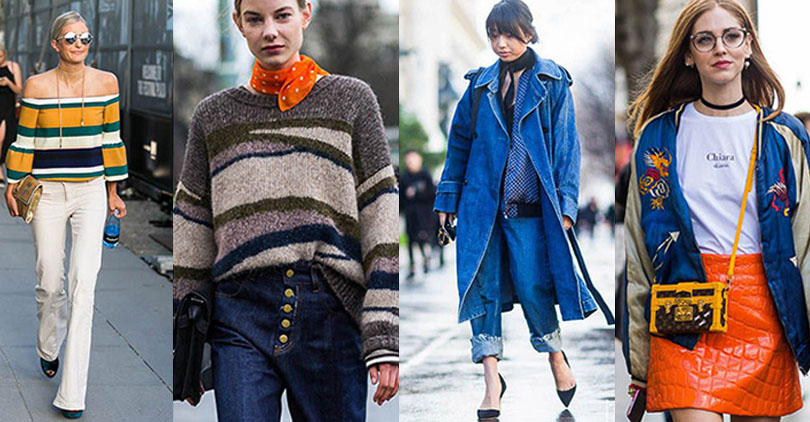
Mix Vintage and Modern: Mix sharp tailoring with thrift store finds. For example, contrast a structured blazer with an old t-shirt.
Layer with Intention: In the 1990s, wearing many pieces was everything. A slip dress over a shirt? Timeless. A blazer over a hoodie? Very cool.
Play with Proportions: If your trousers are huge, wear a small top – and vice versa. Or team a tight skirt with a big jumper.
Statement Accessories: Nostalgic pieces like a little bag, silver hoop earrings, or a velvet choker make any outfit interesting – but not screamingly so.
Natural Beauty Look: Fashionable young women at the moment might have bare-looking skin, brown lipstick, not-too-neat hair, and eyebrows that aren't thin, totally 90s vibes.
Why 90s Fashion Still Inspires Today
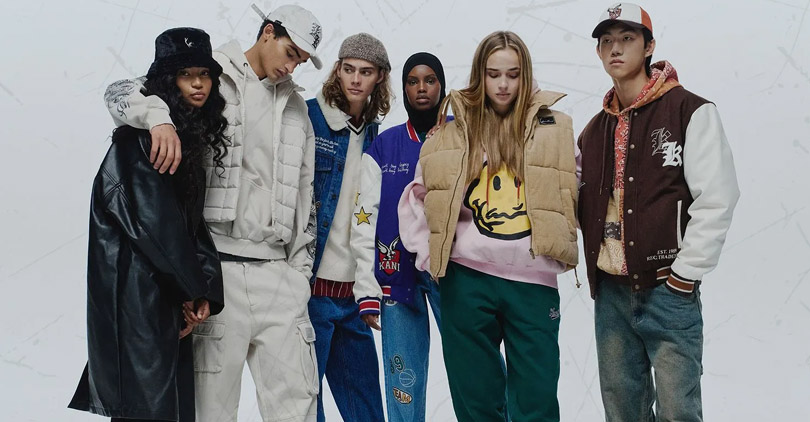
The essence of 90s fashion endures as it honored concepts such as freedom, ease, and individuality. These ideas continue to influence how we dress, show who we are, and define what is modern.
Freedom and Diversity
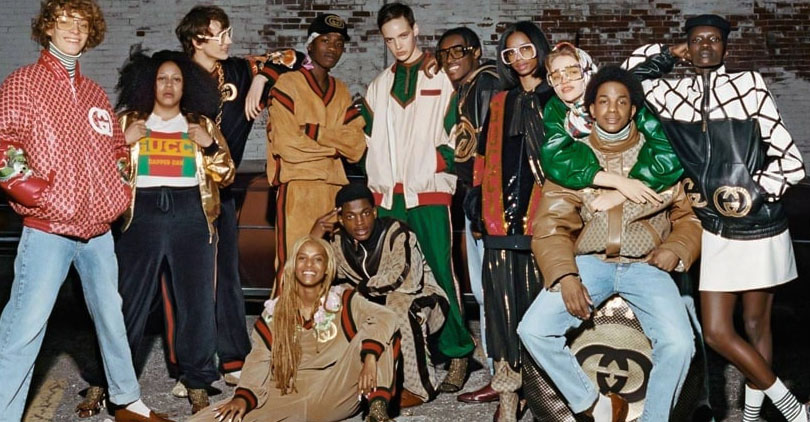
In the 1990s, individualism and inclusivity were all the rage - although back then, we just called it being yourself. Whether you were into glam, goth, hip-hop, minimalist, or preppy style, there was space for every identity.
Blending Comfort and Expression
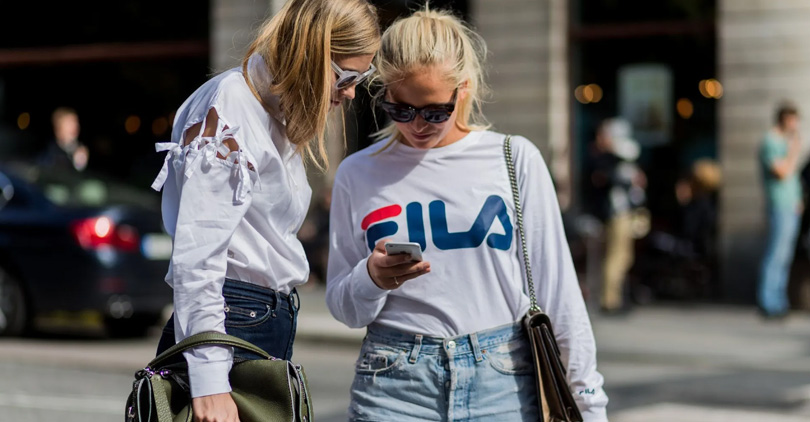
Fashion got a lot more chill - and with it came widespread appeal. Suddenly, you could look just as fly in jeans and sneakers as you might happen to in silk evening wear. Today, this mix of confidence and comfort still informs our wardrobes.
Contemporary Revival
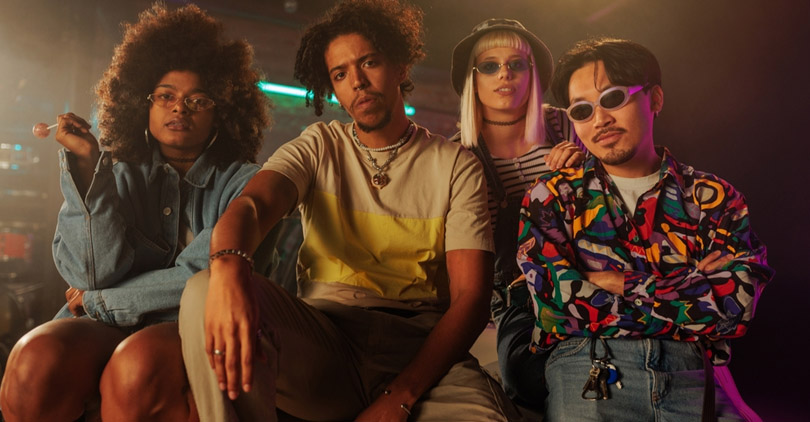
Labels from Bottega Veneta to Miu Miu keep returning to '90s themes: slip dresses, loafers, pared-back tailoring with a twist. Scroll through TikTok and you'll see that clean-girl and grunge-revival posts are notching up likes, too.
Turns out people never get tired of nostalgic fashion - if designers update it cleverly enough.
Emotional Resonance
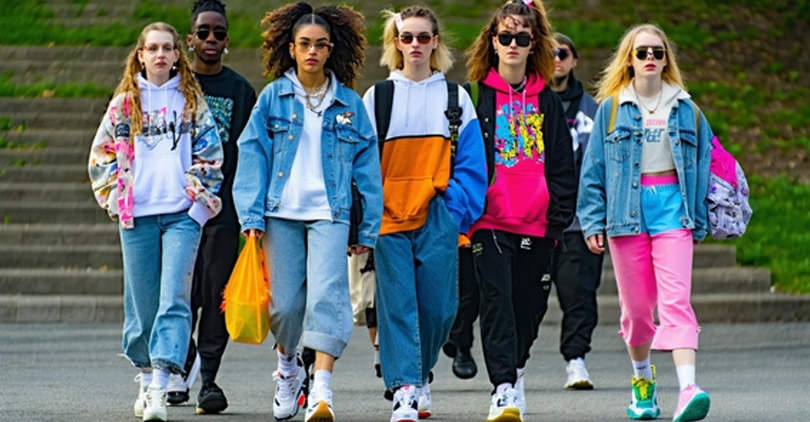
Back then, things felt simpler (even if they weren't). Social media didn't exist to tell you your outfit needed a filter; clothes-wise, there was less pressure around to buy a new thing every five minutes.
Wearing vintage pieces or ones by labels that championed creativity over mass production felt good - and it still does.
Conclusion
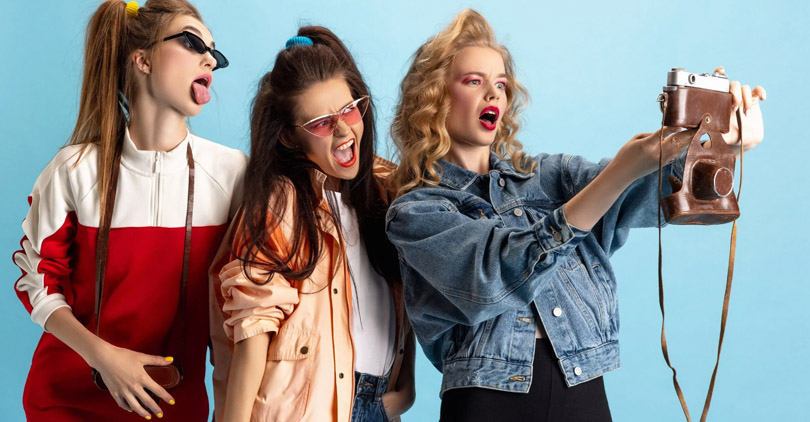
The 1990s saw more than just fashion statements being made. It was a time of cultural shifts. People began mixing up styles in ways that felt new and exciting. It was also about mixing rebellion with polish.
As a result, 90s icons from Naomi Campbell to Princess Diana became style trailblazers. They weren't just wearing clothes. They were showing off their personalities and attitudes via what they wore.
Because 90s fashion wasn't about perfection. It was about personality! So dig out your flannel shirt, lace up your Doc Martens, or slip into that satin number.
Whether you're feeling minimalistic or maximalist, grungy or glamorous- remember one thing: 90s style is more than just a look. It's an attitude, a way of being.
Leave a Comment