
The Rise of Sustainable Pearls: Ethical Glamour on the Rise


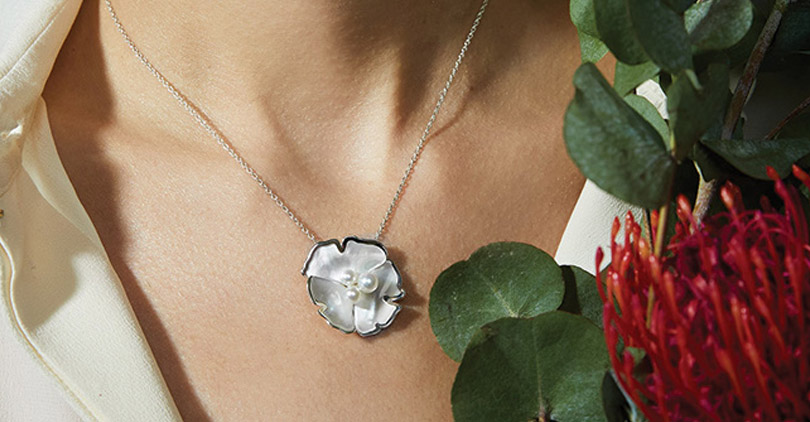
Luxury is evolving—and it's greener than ever. Modern consumers aren't just after bling. They want to know its source.
Now, the emphasis is on eco-friendliness and responsible sourcing. Traditional gems are facing serious competition from sustainable options. Here comes the sustainable pearls.
Once the epitome of elegance, pearls are being redefined. Beauty and responsibility are now companions.
Here, we're going to explore sustainably farmed pearls. We’ll uncover what they are, where they come from, and why they are the future of responsible luxury.
What Are Sustainable Pearls?
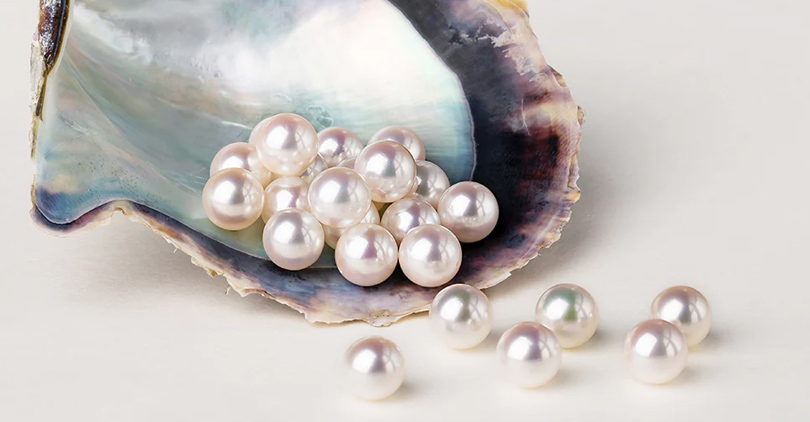
Sustainable pearls are not only beautiful. They are also created responsibly from beginning to end. Here is what makes them different from other ethically made jewelry.
Ethical Farming Methods
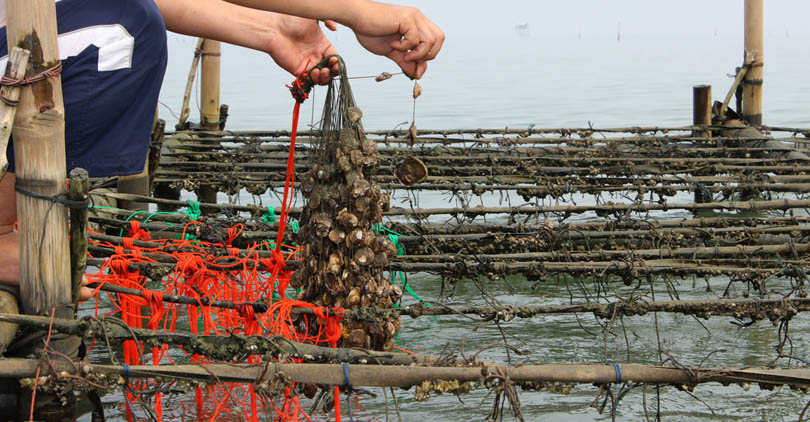
When producing sustainable pearls, the focus is on working alongside nature. This is in contrast to the sometimes damaging practices used in gemstone mining. Here, pearl farms often have a mutually beneficial relationship with bodies of water.
On ethical pearl farms, it is standard practice to use natural methods. They cultivate oysters in a clean environment without causing harm to the area.
For example, in parts of French Polynesia, farmers rear oysters by hand in pure lagoons. They manually remove parasites and then let nature take care of things.
The outcome? Pearls that are every bit as pure as the waters they are found in – and which you can feel good about buying, too!
Renewable Resources & Low Environmental Impact

Compared to mining, pearl farming does not need deforestation. It doesn't use harsh chemicals or much carbon. Besides, an oyster can produce many pearls in its lifetime.
Saltwater pearl farms may also provide important habitats for marine creatures. They are helping biodiversity below the waves.
On the flip side, synthetic or mined gems typically need processes that use lots of energy. They cause pollution and social damage.
Yes, sustainable pearls may take a long time to grow. But the environmental and ethical rewards offered by pearls are significant.
Certified vs. Non-Certified Pearls
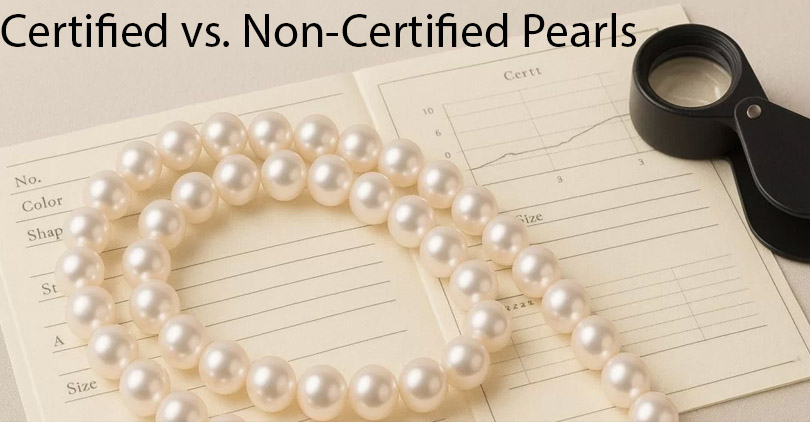
Pearls are not all made the same. So, it's essential to seek out certification or ethical assurances. Many farms adhere to Fair Trade standards and principles. Or the guidelines laid down by the Marine Stewardship Council.
Traceability is also on the rise. Many firms are now offering fully traceable pearls. They are using new technologies likeQR codes and digital passports. Shoppers can use them to follow a pearl from the oyster bed to the jeweller's.
How the Pearl Industry Is Changing
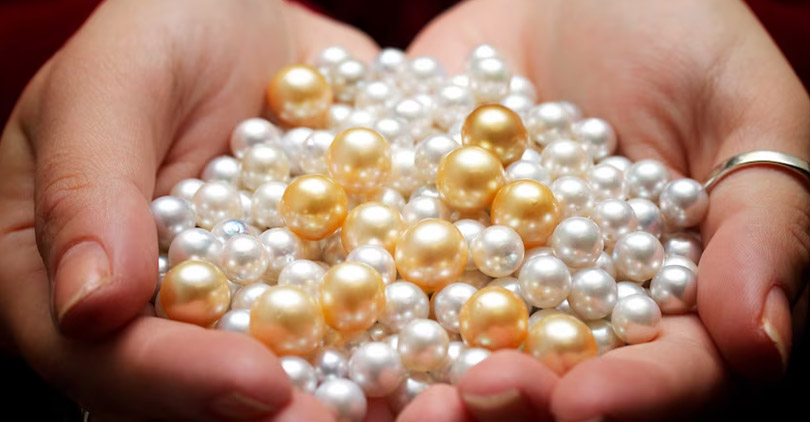
Pearls are changing quickly. Find out how pearl farming is being transformed by sustainability:
From Exploitation to Empowerment
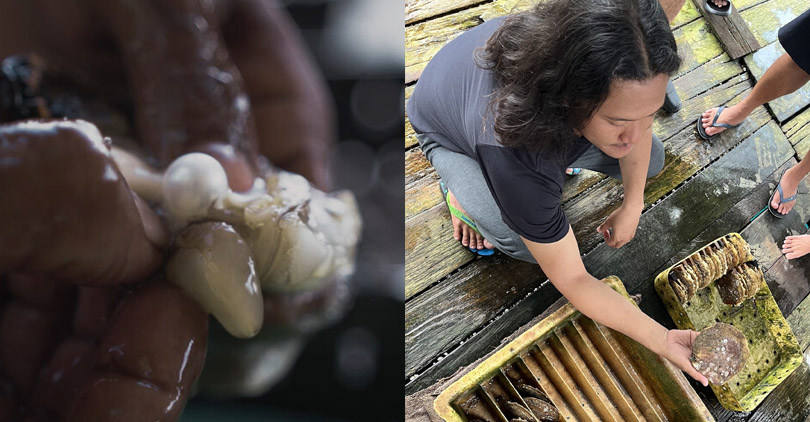
In the past few decades, pearl farming could mean unfair conditions or unequal pay. That was a case, especially in developing countries. But things are different now. Many farms care about their workers and the communities they're part of.
For instance, consider Indonesia, the Philippines, and Japan. There, local people have begun to rely on pearls for money as well as status.
Buying sustainable pearls doesn't just help oysters. It supports individuals, too. Choose these jewels to back a trade that gives back fairly.
Spotlight on Sustainable Farms
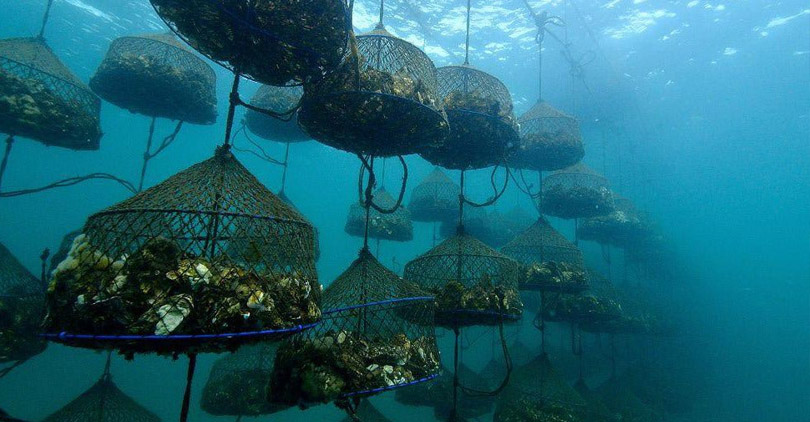
Consider companies such as Kamoka Pearls in Tahiti. They are leading the way in environmentally conscious pearl farming. Kamoka uses nothing but solar energy. It follows rigorous eco guidelines. Staff clean oysters by hand, ensuring nothing harmful enters the lagoon.
In Fiji, J Hunter Pearls focuses on keeping its reefs healthy. Besides, they are educating people about sustainable practices. They are getting locals to help run things.
These farms are changing the definition of ethical luxury. They show that sophistication and sustainability can go hand in hand – beautifully.
Why Consumers Are Choosing Ethical Pearls
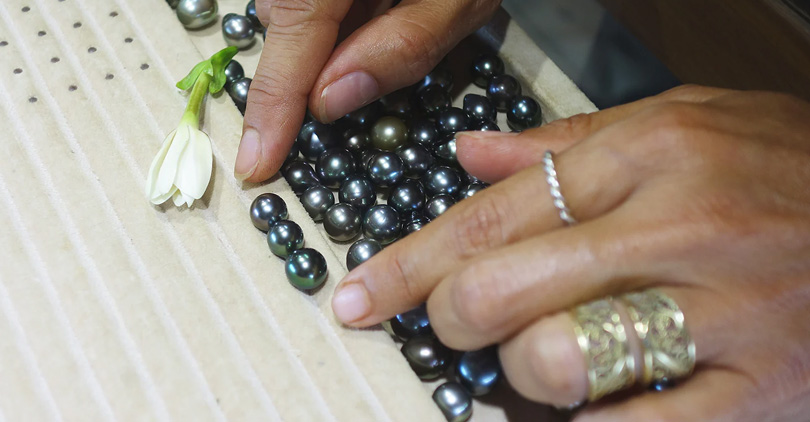
Consumers these days desire something beyond looks—they desire significance. Sustainable pearls are stealing hearts (and wrists) for this very reason.
Conscious Consumerism in Jewelry
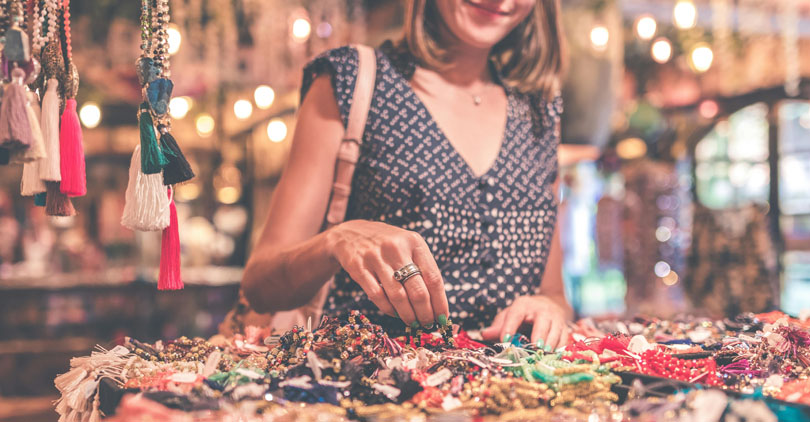
Gen Z and Millennial shoppers have brought with them an age of conscious consumption. They demand difficult questions: Where was this produced? Who produced it? What is the effect of this? Ethical production and environmental materials now feature prominently in the decision-making process.
Pearls check all the right boxes for conscientious consumers. They are created naturally in a way that does not harm the environment. These gems can be grown sustainably in the sea. And with careful farming, they have only a small ecological footprint.
The Appeal of Transparency
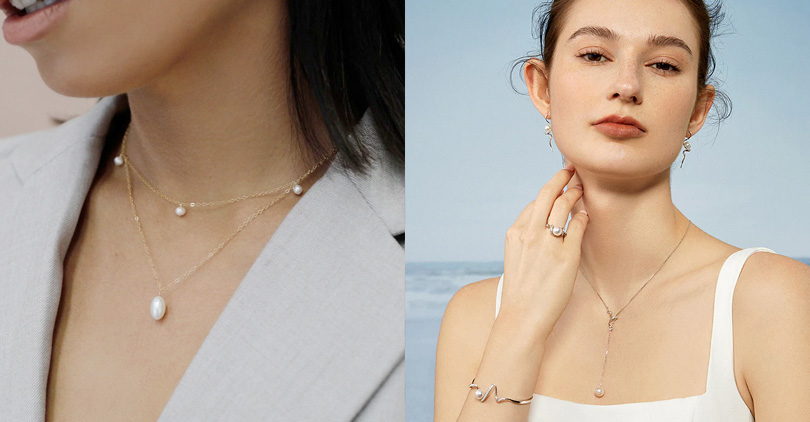
In the era of greenwashing, customers hunger for brands that speak the truth. Transparency creates trust. So, who is attracting loyal customers?
Actually, these are mainly brands that offer traceable sources for their pearls. They should ensure the well-being of their workers and provide environmental data.
There is also an emotional benefit to knowing your jewelry is not harming the world. Sustainable pearl jewelry is jewelry with a narrative. It means a connection to place, people, and purpose.
Gifting With a Conscience
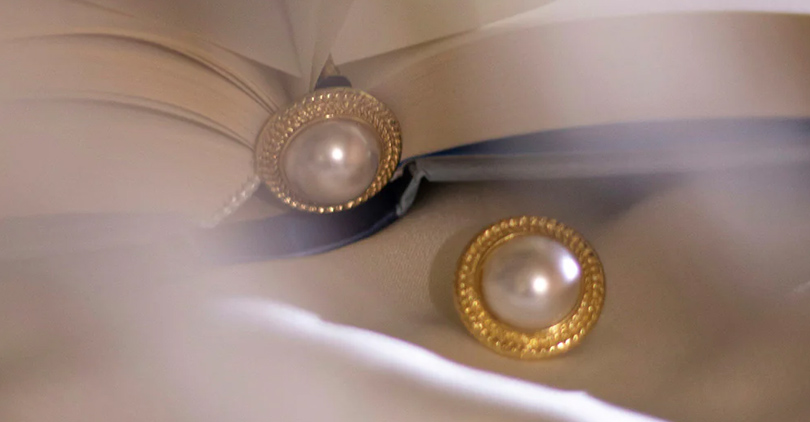
Pearls are a classic gift, but responsibly produced pearls come with an extra meaning. Maybe you're preparing for her birthday? Graduation day? Or wedding day?
One message stays clear: "I care about you and the planet." This is bling with benefits because that sparkle never fades. It fits with a lasting trend.
How to Shop for Sustainable Pearls
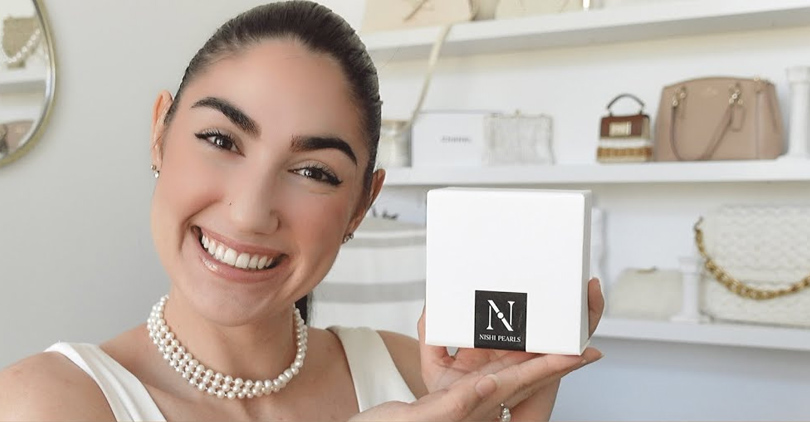
Would you like your fashion choices to be kinder to the Earth? Why not make sure that any pearls you buy weresustainably sourced and produced?
Here are a few important things to consider while you're browsing:
Questions to Ask Jewelers

- Where do the pearls come from?
- Can you show me certification or independent verification of your farming practices?
- Do you make sure the people who work for you are treated fairly?
- Are the metals used in the jewellery recycled or otherwise sustainable?
Don't be afraid to take these to jewellers. Good professionals will be only too happy to help.
Materials & Packaging Matter
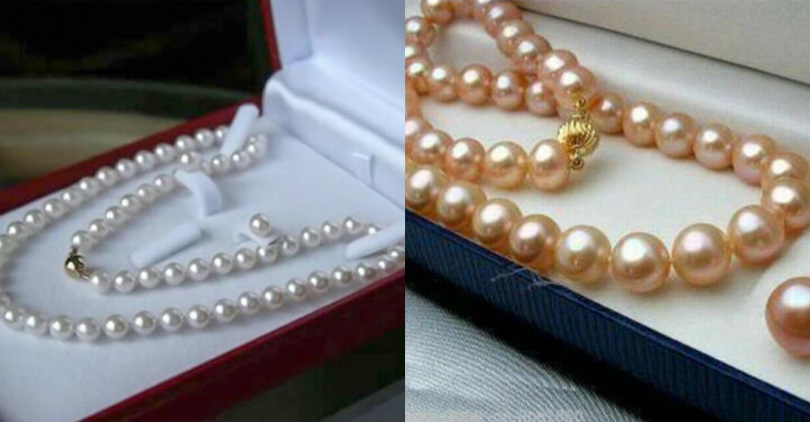
It's about more than just the pearl—take the entire item into account. Are the metals recycled or ethically sourced? Is the packaging free from plastic, or can it be recycled?
Nowadays, many sustainable brands use compostable mailers, FSC-certified boxes, and velvet pouches. The latter are made from natural fibres.
Top tip: If you have an eco-friendly pearl piece in mind, consider its full impact—from oyster to unboxing.
Brands Leading the Ethical Pearl Movement
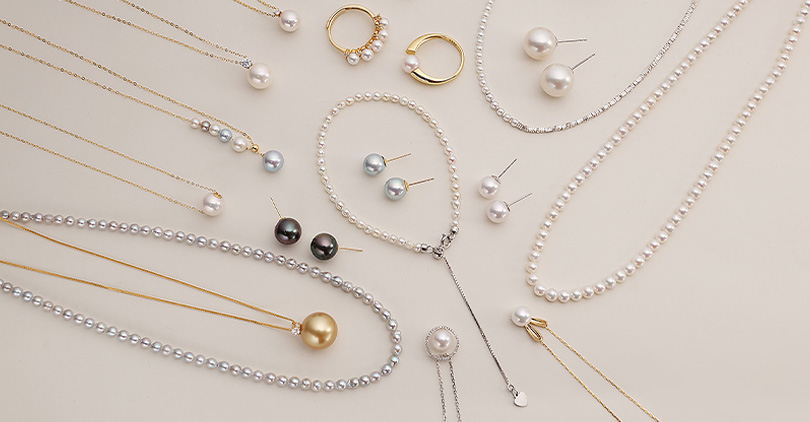
- Kamoka Pearls – They grow in Tahiti. They use solar power and methods that protect coral reefs.
- The Ethical Pearl Co. – A company that makes small quantities of jewellery and is keen on transparency.
- J Hunter Pearls – This brand supports sustainable pearl aquaculture in Fiji.
- Paspaley – An Australian luxury brand that puts money into marine conservation.
These companies show it is perfectly possible to combine aesthetics with ethics. All the pearls of wisdom here are definitely worth having. Maybe you're seeking the one for yourself or someone else.
The Future of Pearls: Style Meets Sustainability
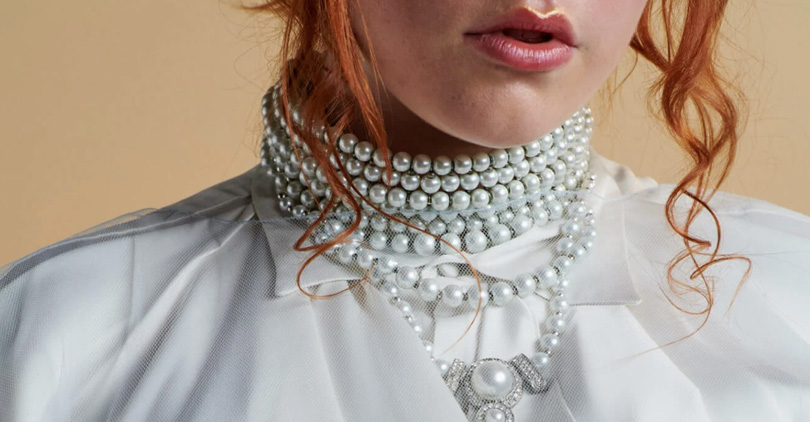
What's next for ethical pearls? Expect innovation, influence, and increased impact.
From the Red Carpet To Streetwear
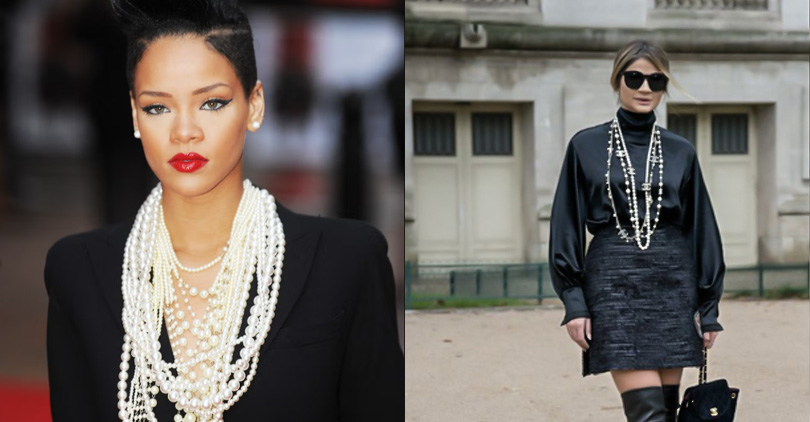
More stars and stylists are embracing sustainable pearls. Emma Watson is seen in fair-trade pearl studs. Meghan Markle prefers reused gold and freshwater pearls.
Celebrities are wearing sustainable pearls more than ever. They pair them with glamorous outfits and everyday, eco-friendly looks. So, people are starting to pay attention!
Pearls for Slow Fashion & Capsule Jewelry Collections
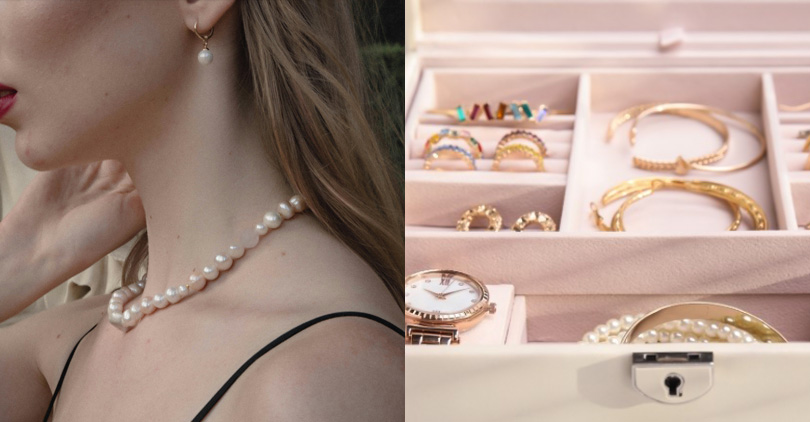
Slow fashion is about timelessness, not trends, and pearls are the ultimate timelessness. A single strand works with everything, from a white t-shirt to a black-tie dress.
Sustainable pearls are the ultimate choice for minimalist, mindful collections. They are made to endure, not go out of style. Think: one great necklace you wear all the time. That's good dressing.
Tech & Traceability in Jewelry

The future of ethical jewelry looks promising with blockchain verification and digital passports. Certain brands are adding NFTs or QR-linked tags. They help tell a pearl's story, from oyster to accessory.
Before long, pearl shopping could be like art buying. Each piece has history, place, and greater significance.
Conclusion

The ascension of sustainable pearls is not a passing fad. It is a movement that is changing the definition of luxury in our time. It's about more than having a beautiful object. Now, that object should also do some good.
If you buy ethical pearls, you are not choosing jewellery that will last forever. But you are also supporting the health of the oceans and the world's craftspeople. And, of course, the future of fashion innovations.
Next time you want to look elegant, think about what's going on beneath the surface. Choose pearls with significance and shine. Choose ethical glamour.
Leave a Comment